Los Angeles and San Francisco are only a few hundred miles apart, yet they feel like different worlds. Los Angeles sprawls across a vast basin of beaches, hills and freeways, with dozens of distinct neighborhoods and a year-round warmth. San Francisco is compact, hilly and walkable, wrapped in water and famous for its fog. Choosing the right neighborhood in each city, and the right way to get around, is the secret to enjoying both. This guide covers where to stay, how to move, what weather to expect and how to make the drive between them part of the adventure.
Key takeaways
- In Los Angeles, your neighborhood decides how much time you spend in traffic. Base yourself near the places you will visit most.
- Downtown, the Arts District and Bunker Hill suit culture and food lovers; Santa Monica suits beach time; Silver Lake suits a creative, local feel.
- In San Francisco, the Mission, Noe Valley and Potrero Hill are often sunnier than the coast; the Marina offers waterfront walks and Golden Gate views.
- A car is useful in Los Angeles but usually a burden in San Francisco.
- Highway 1 between the cities is spectacular but slow and sometimes closed. Allow at least two days and check road conditions.
Los Angeles: choosing a neighborhood
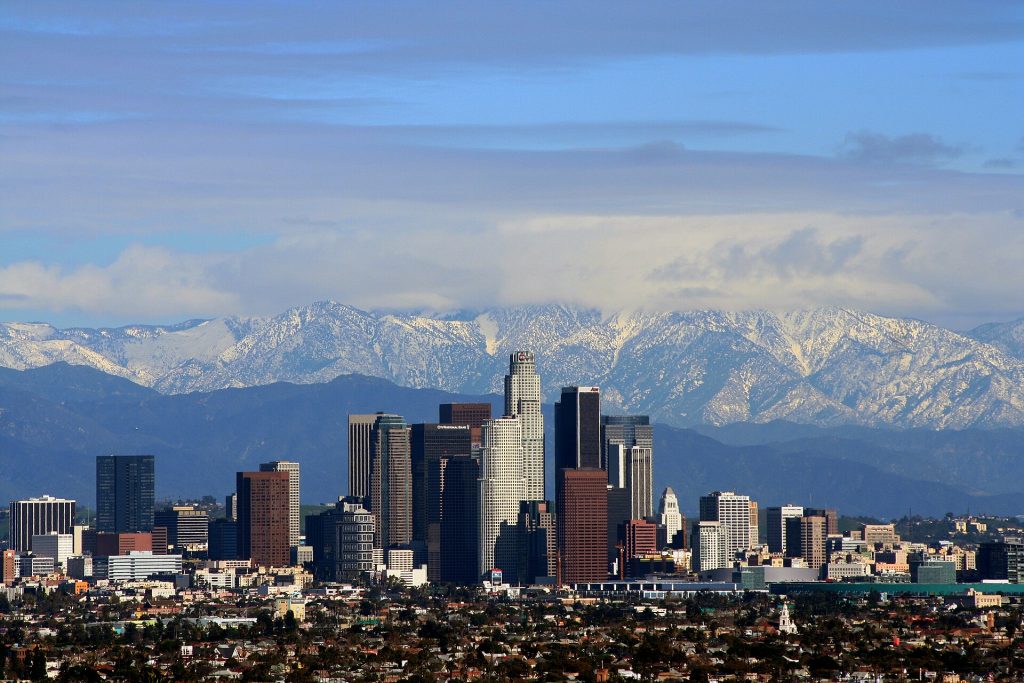
Los Angeles rewards travelers who plan around geography. A drive that takes 20 minutes at midday can take an hour at rush hour, so pick a home base close to what you most want to do and group your sightseeing by area.
Downtown and the Arts District
Downtown Los Angeles has transformed into a lively hub of restored historic buildings, rooftop bars and some of the city’s most interesting food. Grand Central Market is a great first stop for lunch, and the Historic Core has beautiful early twentieth-century theaters and architecture. Just east, the Arts District is a former industrial area of warehouses turned galleries, breweries, coffee roasters and restaurants, with large murals around almost every corner.
Downtown is also the center of the Metro rail network, which makes it one of the easiest places in Los Angeles to stay without a car. The Charming Condo Room downtown sleeps two from $78 per night, a practical base for couples and solo travelers who want to explore on foot and by train.
Bunker Hill
Bunker Hill rises just above the Historic Core and is home to many of the city’s cultural landmarks, including Walt Disney Concert Hall, The Broad contemporary art museum and the Museum of Contemporary Art. The little Angels Flight funicular links the hilltop to Grand Central Market below. It is a polished, central area that is pleasant to walk in the evening after a concert.
The Designer Loft With Pool in Bunker Hill has two bedrooms for up to four guests, from $78 per night, and a pool for warm afternoons.
The Fashion District
South of the Historic Core, the Fashion District is a busy wholesale and retail area known for fabric stores, clothing shops and the colorful Flower Market, which opens very early in the morning. It is energetic by day and quieter at night. Shoppers and anyone who likes the gritty, working side of a city will enjoy it, and it is close to everything else Downtown has to offer.
Santa Monica
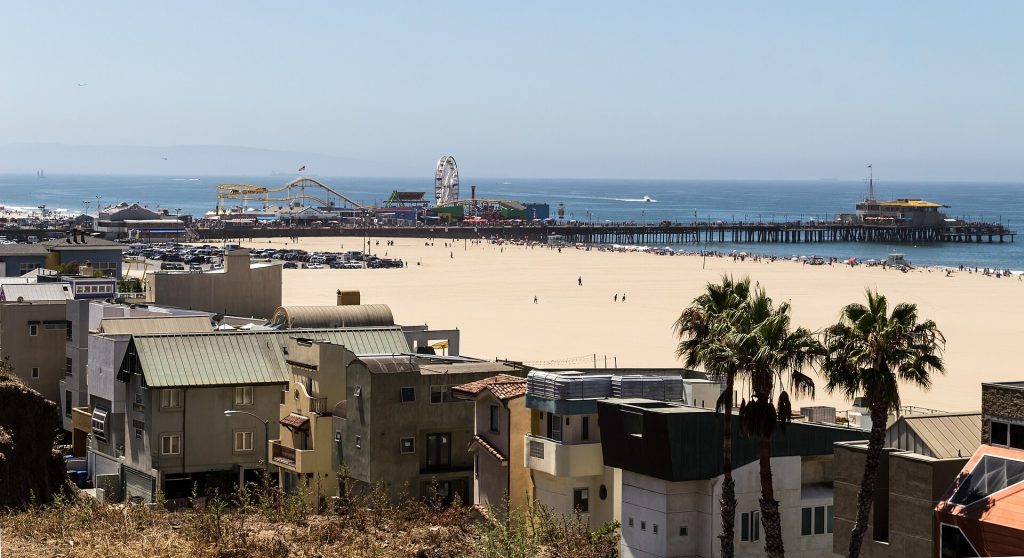
If your dream trip involves sunsets over the Pacific, morning runs along the sand and bike rides to Venice, Santa Monica is hard to beat. The pier, Third Street Promenade and a long beachfront path make it easy to enjoy without a car day to day, and the Metro E Line connects it to Downtown. Expect higher prices and cooler, sometimes overcast mornings in late spring and early summer, a pattern locals call May Gray and June Gloom.
Silver Lake
Silver Lake is a hilly, creative neighborhood a short drive northwest of Downtown, known for independent coffee shops, vintage stores, restaurants and the walking path around the Silver Lake Reservoir. It feels residential and relaxed, with easy access to nearby Echo Park, Los Feliz and Griffith Park. It is ideal for travelers who want to feel like a local and do not mind using a car or ride-hailing for longer trips.
For larger groups, the Confortable And Modern Family Home has four bedrooms and sleeps up to eight guests, from $780 per night. Splitting a home like this between two families or a group of friends can work out well compared with several hotel rooms.
San Francisco: choosing a neighborhood
San Francisco is roughly seven miles across, and many neighborhoods are walkable from one another, hills permitting. The biggest difference between areas is often the weather, which we cover below.
The Mission
The Mission is one of the city’s oldest and most vibrant neighborhoods, known for its Latino heritage, colorful murals in Balmy Alley and Clarion Alley, excellent taquerias and bakeries, and the sunny lawns of Dolores Park. It tends to be one of the warmest parts of the city, and it is well connected by BART to Downtown and the airport.
Noe Valley
Just southwest of the Mission, Noe Valley is a calm, family-friendly neighborhood of Victorian homes, stroller-filled sidewalks and a pleasant main street along 24th Street with cafes, bookshops and small boutiques. It is a gentle place to come home to after a busy day of sightseeing. The Moder Lake View Family Home, set between Noe Valley and the Mission, has three bedrooms for up to six guests from $299 per night.
Potrero Hill
Potrero Hill is a residential neighborhood with some of the best skyline and bay views in the city and a reputation for sunshine when other areas are wrapped in fog. It has a small, friendly village center and is close to the Design District, Dogpatch and the waterfront ballpark. Families will appreciate Full House For Families, with two bedrooms for up to four guests from $399 per night.
The Marina
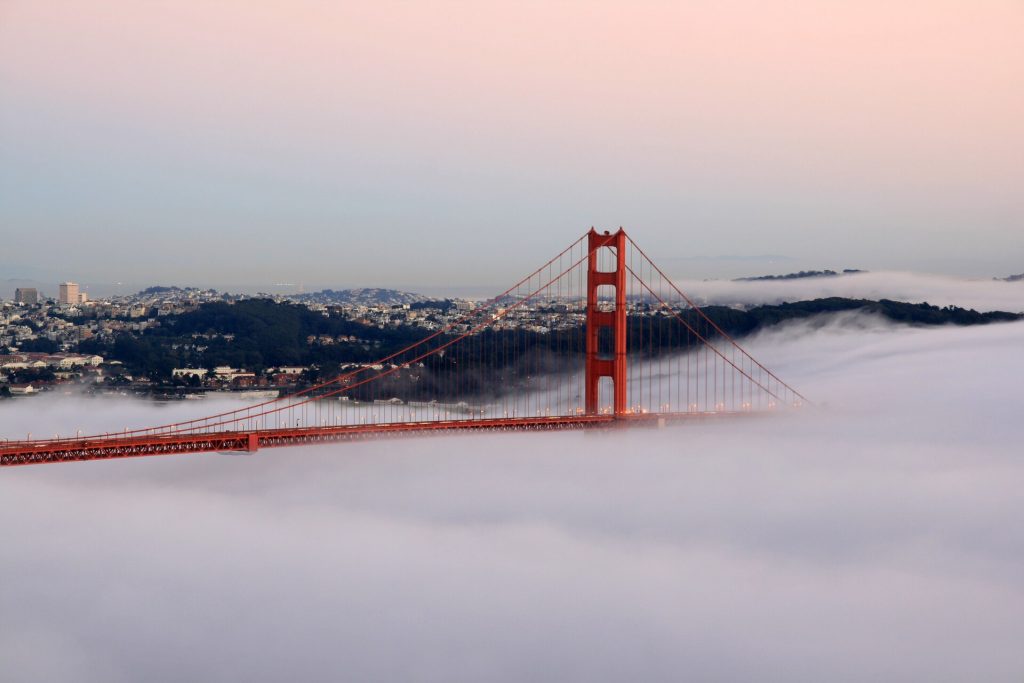
The Marina sits along the northern waterfront, with wide green spaces at Marina Green and Crissy Field, the Palace of Fine Arts nearby, and classic views of the Golden Gate Bridge. Chestnut Street is lined with shops, brunch spots and bars. It is lively, scenic and great for walking or cycling toward the bridge, though it can be foggier and breezier than the southern neighborhoods.
Cars vs transit: how to get around
In Los Angeles
Los Angeles is the one city on this trip where a car can genuinely improve your experience. Beaches, canyon hikes, studio tours and far-flung neighborhoods are easier to combine with your own wheels. That said, the Metro rail network reaches Downtown, Hollywood, Pasadena, Long Beach and Santa Monica, and ride-hailing fills the gaps. If you rent a car, ask your host about parking before you arrive, read street signs carefully for time limits and street-cleaning days, and avoid crossing the city at rush hour where you can.
In San Francisco
In San Francisco, a car is usually more trouble than it is worth. Muni buses and light rail cover the city, the historic cable cars are an experience in themselves, and BART connects to the airport, Oakland and Berkeley. A Clipper card or contactless payment works across most systems. Parking is scarce, and car break-ins are a known problem, so if you do drive, never leave luggage or valuables visible inside the vehicle, even for a few minutes.
Fog, sunshine and microclimates
California weather is not as simple as endless sunshine. In San Francisco especially, conditions can change dramatically from one neighborhood to the next. Summer often brings thick marine fog to the western and northern parts of the city, while the Mission, Potrero Hill and other eastern neighborhoods stay brighter and warmer. Many locals consider September and October the warmest, clearest months of the year.
Los Angeles is warmer and drier overall, but coastal areas like Santa Monica are cooler and sometimes overcast in the mornings, while inland neighborhoods can be much hotter in summer. Evenings in both cities cool down quickly. For both, the answer is the same: pack layers, including a light jacket or sweater, even in summer.
The road trip: Los Angeles to San Francisco
Driving between the two cities is one of the classic American road trips. You have two main choices.
| Route | Approximate driving time | Best for |
|---|---|---|
| Interstate 5 (inland) | Around six hours without heavy traffic | Getting there quickly |
| Highway 101 | Longer than I-5, with some coastal stretches | A balance of speed and scenery |
| Highway 1 (coastal) | Best spread over two or more days | Big Sur, beaches and small towns |
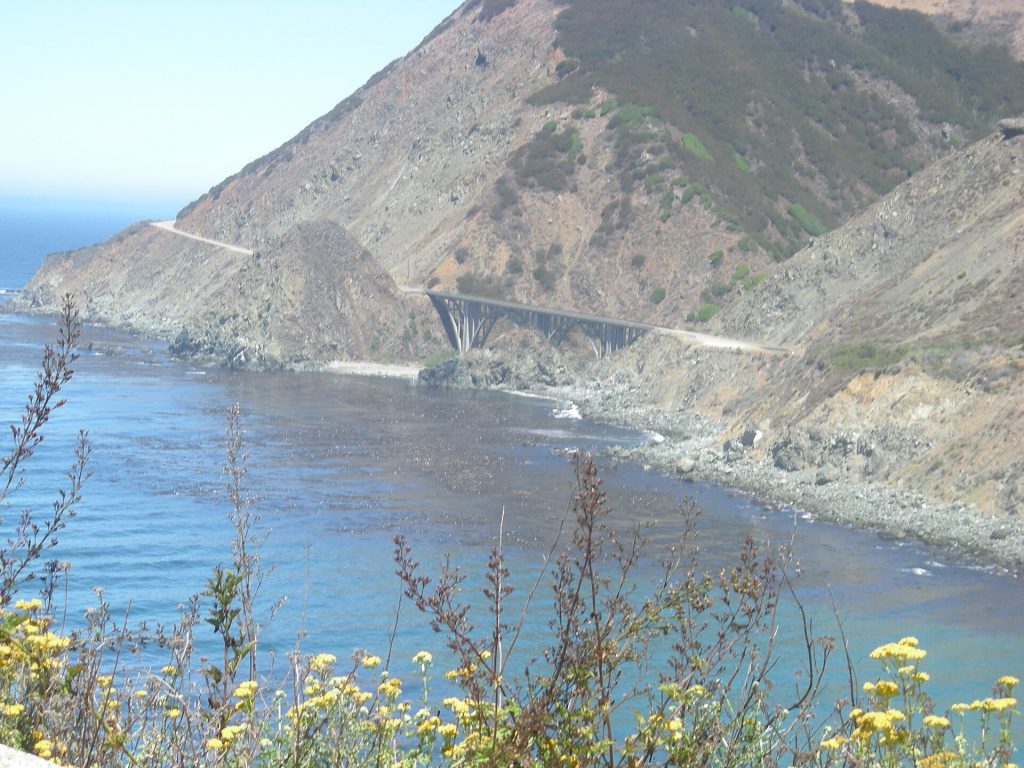
The Highway 1 route along the Pacific Coast is the one people dream about: Santa Barbara’s Spanish-style architecture, the elephant seals near San Simeon, Hearst Castle, the dramatic cliffs and bridges of Big Sur, Carmel-by-the-Sea and the aquarium town of Monterey. Driving it in a single day is possible but exhausting, and you will miss most of the stops. Two or three days lets you enjoy it properly.
If you are planning a one-way rental car, compare drop-off fees in advance, as they can vary widely. Driving north from Los Angeles puts you in the lane closest to the ocean, which makes pulling into viewpoints a little easier.
A sample split for a one-week trip
- Days 1 to 3, Los Angeles: Downtown and Bunker Hill museums, Grand Central Market, an Arts District evening, a beach day in Santa Monica and a hike in Griffith Park.
- Days 4 to 5, Highway 1: Santa Barbara, an overnight on the Central Coast, Big Sur viewpoints and Carmel or Monterey.
- Days 6 to 7, San Francisco: Mission murals and Dolores Park, a cable car ride, the waterfront from the Marina to the Golden Gate Bridge, and dinner with a view from Potrero Hill.
Book your West Coast home base
Compare our hand-picked homes in Los Angeles and San Francisco, from a downtown room for two to a four-bedroom family house, and send a booking request in minutes.
Frequently Asked Questions
Do I need a car in Los Angeles?
Not always, but it helps. If you stay in Downtown or Bunker Hill and focus on nearby sights, Metro rail and ride-hailing can cover most trips. If you plan to visit beaches, hiking trails and spread-out neighborhoods in the same day, a car gives you far more flexibility.
Do I need a car in San Francisco?
Usually not. San Francisco is compact, and Muni buses, light rail, cable cars and BART cover most of the city. Parking is limited and can be expensive, so many visitors only rent a car for day trips out of the city.
Why is San Francisco so cold in summer?
Cool ocean water and inland heat draw marine fog over the western and northern parts of the city during summer. Neighborhoods like the Mission and Potrero Hill are often sunnier and warmer than the coast. Pack layers whatever the month.
How long does it take to drive from Los Angeles to San Francisco?
The fastest inland route on Interstate 5 typically takes around six hours without heavy traffic or long stops. The coastal Highway 1 route is far slower and best spread over two or more days to enjoy Big Sur and the towns along the way.
Is Highway 1 always open?
No. Sections of Highway 1, particularly through Big Sur, can close because of landslides, storm damage or repair work. Check the official Caltrans road conditions before you set off and have an inland alternative ready.
Which Bed N Beds homes suit large families on the West Coast?
In Los Angeles, the Confortable And Modern Family Home has four bedrooms and sleeps up to eight guests. In San Francisco, the Moder Lake View Family Home has three bedrooms for up to six guests, and Full House For Families in Potrero Hill sleeps four.