New York is really a collection of very different neighborhoods that happen to share a subway map. Where you sleep shapes everything about your trip: how long you spend commuting, what you eat for breakfast, how quiet your nights are and how far your budget stretches. This guide compares Manhattan and Brooklyn for apartment stays, walks through four neighborhoods where Bed N Beds hosts welcome guests, and covers the practical details that make a New York stay smooth.

Key takeaways
- Manhattan minimizes travel time to major sights; Brooklyn usually offers more space and a more local, residential feel.
- Midtown East, the West Village, East Harlem and Bedford-Stuyvesant each suit a different kind of traveler and budget.
- Pick a home within a short walk of a subway station on a line that serves the places you most want to see.
- New York regulates short-term rentals strictly. Hosts must register with the city, and guests should only book compliant stays.
- Tap a contactless card or phone on the subway and use the same one for every ride to benefit from fare capping.
Manhattan vs Brooklyn: the big picture
Manhattan is the island most visitors picture: dense, vertical, busy at almost every hour and packed with museums, theaters, parks and offices. Staying here means many of the classic sights are a walk or a short ride away. The trade-off is price and space. Apartments tend to be smaller, and the energy that makes Manhattan exciting can also make it noisy.
Brooklyn is the most populous borough and feels like a city of its own. Tree-lined streets of brownstones, independent restaurants, neighborhood bars, weekend markets and big green spaces like Prospect Park give it a more lived-in rhythm. Many parts of Brooklyn are only a few subway stops from Lower Manhattan, so you can still reach the sights easily while enjoying calmer evenings and, often, more room for your money.
| Factor | Manhattan | Brooklyn |
|---|---|---|
| Time to major sights | Short, often walkable | Typically 15 to 45 minutes by subway |
| Space for the money | Smaller units, higher prices | More space, often better value |
| Atmosphere | Fast, busy, iconic | Residential, creative, local |
| Nightlife | Everywhere, late | Neighborhood-based, relaxed |
| Best for | Short first visits, packed itineraries | Longer stays, repeat visitors, value seekers |
Four neighborhoods worth considering
Midtown East and Sutton Place: polished and central
Sutton Place sits along the East River at the quieter edge of Midtown East. It is one of the more residential corners of central Manhattan, with elegant pre-war buildings, small riverside parks and views toward the Queensboro Bridge. Step a few blocks west and you are in the heart of Midtown, within reach of Grand Central Terminal, the United Nations headquarters, Fifth Avenue shopping, Rockefeller Center and the Theater District.
This area suits travelers who want central convenience without sleeping directly above Times Square. The Lexington Avenue lines and the stations around East 53rd Street connect you quickly to downtown, uptown and Queens. Our Modern Apartment With Pool on 1st Avenue is a good example: two bedrooms for up to four guests, from $525 per night, with the rare bonus of a pool after a long day of walking.
West Village: charming, walkable and family-friendly
The West Village is the Manhattan many people fall in love with on screen: crooked streets that ignore the grid, brownstones with stoops, small parks, bakeries and cozy restaurants. It is lively without being frantic, and it sits close to Washington Square Park, the Hudson River Park waterfront, the High Line and the Meatpacking District.
The neighborhood is especially good for families and groups who want a home base that feels like a real neighborhood rather than a business district. The Spacious Family Home has three bedrooms and sleeps six, from $455 per night, which can compare well with booking two or three hotel rooms in the same area. Several subway lines run along the edges of the Village, including the 1 train on Seventh Avenue and the A, C and E at 14th Street.
East Harlem: culture and value uptown
East Harlem, also known as El Barrio, has deep Puerto Rican and Latin American roots, a strong mural culture and some of the best-value food in Manhattan. It is close to the northern end of Central Park and the museums along Fifth Avenue, including the stretch known as Museum Mile. The Lexington Avenue subway lines and the Second Avenue line make getting downtown straightforward.
For solo travelers and couples watching their budget, this is one of the most sensible ways to stay in Manhattan. The Affordable Urban Room is a private room for up to two guests from $65 per night, leaving more of your budget for shows, museums and meals.
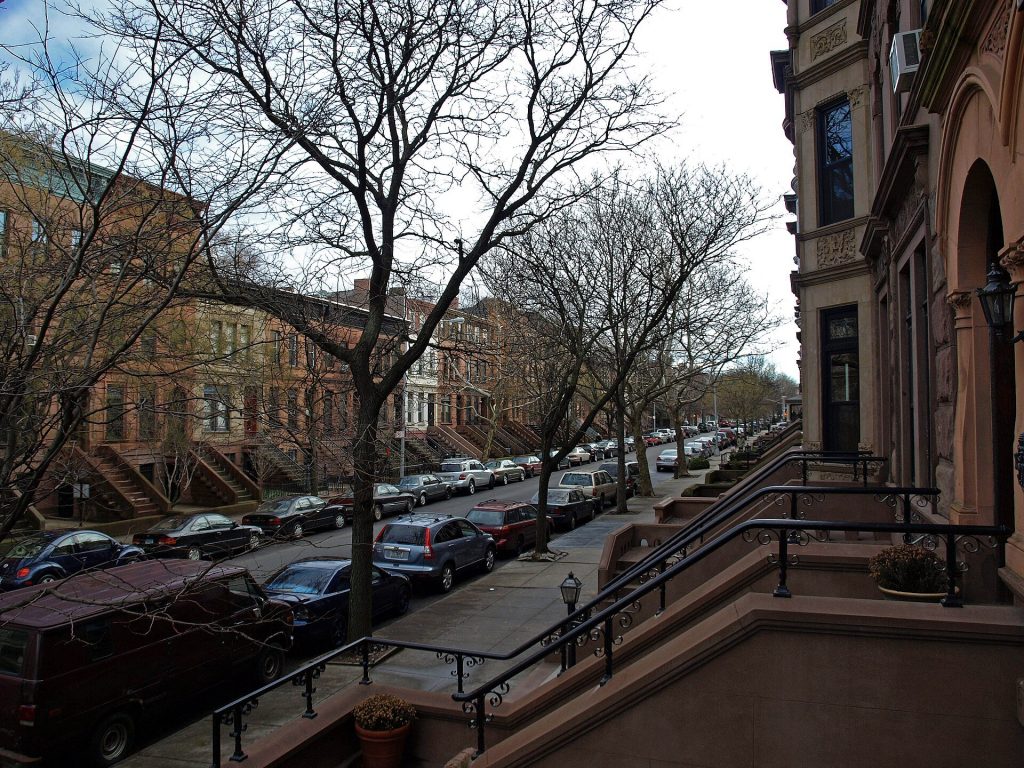
Bedford-Stuyvesant, Brooklyn: brownstones and local life
Bedford-Stuyvesant, usually shortened to Bed-Stuy, is known for some of the most beautiful blocks of historic brownstones in the city. It has a strong community identity, a growing roster of cafes, bakeries and restaurants, and a pace that feels refreshingly unhurried after a day in Manhattan. The A and C express trains connect the neighborhood to Lower Manhattan, and other lines including the G and the J, M and Z serve different parts of the area.
Bed-Stuy is a great match for travelers who enjoy exploring on foot, want to experience everyday New York, or plan to spend time in other Brooklyn neighborhoods such as Fort Greene, Clinton Hill and Williamsburg. The Confy Designer Room is a shared-room bed and breakfast stay for up to two guests, from $129 per night, a good fit if you like a host who can share local recommendations.
Getting around: subway tips that save time
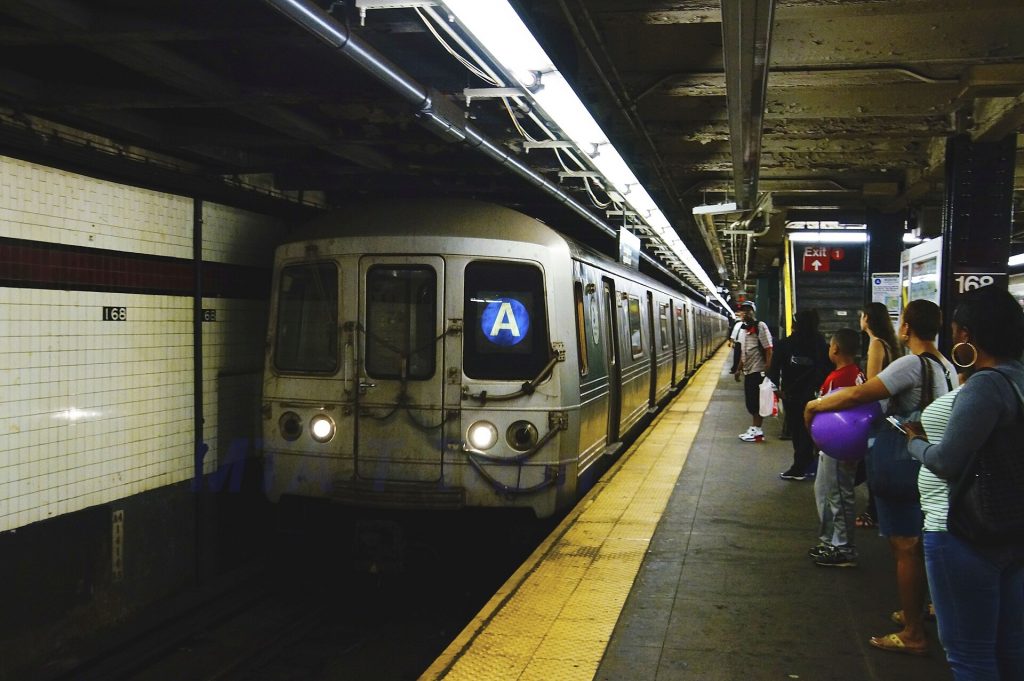
The subway runs 24 hours a day and is the fastest way to cover long distances in New York. A few habits make it much easier to use.
- Tap to pay. Most turnstiles accept contactless bank cards, phones and smartwatches through the OMNY system. Use the same card or device for every ride so the system can apply fare capping, which makes further rides free once you hit the weekly limit.
- Know local from express. Express trains skip stops. Check the signs on the platform and the train itself, especially on the 2/3, 4/5, A and D lines.
- Uptown vs downtown. In Manhattan, entrances are often separated by direction. Read the sign above the stairs before you tap in, or you may need to pay again to switch sides.
- Weekend and late-night changes. Maintenance work often reroutes trains on nights and weekends. Check a live transit app before you set off.
- Walk more than you think. Manhattan avenues are long, but north-south blocks are short. Many trips of a mile or so are pleasant on foot, and you will see more of the city.
Yellow cabs and ride-hailing apps are handy late at night or with luggage, but traffic in Midtown can be slow. Citi Bike, the city’s bike share, is a fun way to explore the waterfront greenways in good weather.

Budgeting for a New York apartment stay
New York has a reputation as an expensive city, and it can be. An apartment stay helps in a few concrete ways:
- Kitchen savings. Breakfast and a few dinners at home, using groceries from a local market or bodega, can noticeably cut your daily spend.
- Group efficiency. A three-bedroom home shared by six people often costs less per person than several hotel rooms.
- Neighborhood pricing. Restaurants and cafes outside the main tourist zones are usually better value, and often better food.
- Free sights. Walking the Brooklyn Bridge, exploring Central Park and Prospect Park, the High Line, the Staten Island Ferry and many neighborhood street festivals cost nothing.
Remember to factor in taxes and any cleaning fees shown at checkout, and compare the total for your full stay rather than the nightly headline rate. For a deeper look at weighing one option against another, see our guide to vacation rentals vs hotels.
Understand New York’s short-term rental rules
New York City regulates short-term rentals more strictly than most destinations. Under Local Law 18, hosts who offer stays of fewer than 30 days must register with the city, and the rules place further conditions on how those stays can operate. Booking platforms are also expected to only process transactions for registered short-term rentals.
What this means for you as a guest is simple: book stays that are compliant. Ask your host to confirm the home is registered or otherwise permitted for the length of stay you need, look for a registration number where one applies, and be wary of anyone asking you to pay outside the platform to avoid the rules. Hosts are responsible for meeting their legal obligations, but asking the question protects your trip from last-minute cancellations.
Practical tips for a smooth stay
- Ask about stairs and elevators. Many brownstones and older buildings are walk-ups. If you have heavy luggage, small children or mobility needs, confirm access before booking.
- Check check-in details early. Keys, lockboxes or building doormen all work differently. Confirm arrival instructions a day or two before you travel.
- Respect the neighbors. Apartment buildings are homes first. Keep noise down in hallways and late at night, and follow the house rules about guests and trash.
- Plan airport transfers. JFK, LaGuardia and Newark all connect to the city by a mix of trains, buses and taxis. Factor in rush-hour traffic if you are driving.
- Pack for the season. Summers are hot and humid, winters can be cold and windy, and you will walk far more than usual. Comfortable shoes matter more than anything else in your suitcase.
Which borough should you choose?
If this is your first visit and you have only a few days, Manhattan will save you time. Midtown East and Sutton Place keep you central, the West Village gives you charm and walkability, and East Harlem stretches your budget furthest. If you are staying a week or more, coming back for another visit, or simply prefer a neighborhood where you can settle into a routine, Brooklyn rewards you with space, character and a real sense of local life.
There is no wrong answer, only a better fit for your trip. Decide what matters most, whether that is location, space, budget or atmosphere, and choose the neighborhood that delivers it.
Find your New York home base
From a two-bedroom apartment with a pool near Sutton Place to a budget-friendly room in East Harlem, compare our hand-picked New York stays and send a booking request in minutes.
Frequently Asked Questions
Is it better to stay in Manhattan or Brooklyn for a first trip to New York?
For a short first trip focused on landmarks, Manhattan saves the most travel time. If you are staying a week or longer, want more space for your money, or prefer a residential feel with local cafes and parks, Brooklyn is an excellent choice and most of it is a short subway ride from Lower Manhattan.
Are short-term apartment rentals legal in New York City?
New York City has some of the strictest short-term rental rules in the United States. Under Local Law 18, hosts offering stays of fewer than 30 days must register with the city, and additional conditions apply. As a guest, ask the host to confirm the stay is compliant and look for a registration number before you book.
How do I pay for the New York subway?
You can tap a contactless bank card, phone or smartwatch directly on the OMNY reader at the turnstile. Use the same card or device for every ride so you benefit from the city's fare capping, which makes additional rides free once you reach the weekly limit.
How much should I budget per day in New York beyond accommodation?
Budgets vary widely, but a careful traveler can manage with modest daily spending by mixing grocery breakfasts, casual lunches and free sights such as parks, bridges and neighborhood walks. Paid attractions, Broadway shows and sit-down dinners add up quickly, so decide on your priorities before you go.
Which Bed N Beds homes in New York suit families?
The Spacious Family Home in the West Village has three bedrooms and sleeps up to six guests, while the Modern Apartment With Pool near Sutton Place has two bedrooms for up to four guests. Both give families more room than a typical hotel room.