Barcelona is a city you can live in for a few days, not just visit. Mornings start with a coffee at a neighborhood bar, afternoons drift between Gaudí masterpieces and Gothic lanes, and dinner rarely begins before nine. Staying in an apartment puts you right inside that rhythm, with a kitchen for market finds and a balcony overlooking a street where real people live. This guide helps you pick the right neighborhood, book a properly licensed apartment, understand the tourist tax, stay safe from pickpockets and make the most of four days in the Catalan capital.
Key takeaways
- Eixample, Gràcia and El Born suit most first-time visitors; Barceloneta and Poblenou are best for beach lovers; the Gothic Quarter is atmospheric but busy.
- Book only licensed tourist apartments. In Barcelona, the registration number, often starting with HUT, should appear on the listing.
- A tourist tax is charged per person per night. Check the current rate when you book.
- Pickpocketing is common in crowded areas. Keep valuables zipped and in front of you.
- Book timed tickets for Sagrada Família and Park Güell well in advance.
Choosing your neighborhood
Barcelona’s neighborhoods, or barris, each have a strong personality. The city is compact and the metro is efficient, so you will be able to reach most sights from anywhere central. The real question is what atmosphere you want to come home to each evening.
| Neighborhood | Atmosphere | Best for |
|---|---|---|
| Gràcia | Village feel, plazas, independent shops | Couples, repeat visitors, longer stays |
| Eixample | Elegant grid, Modernista architecture | First-timers, families, shoppers |
| El Born | Medieval lanes, boutiques, tapas bars | Culture and food lovers |
| Barceloneta | Seaside, lively, seafood | Beach days, summer trips |
| Poblenou | Creative, relaxed, near quieter beaches | Longer stays, remote workers |
| Gothic Quarter | Historic, atmospheric, busy | Short stays close to everything |
Gràcia
Once a separate town, Gràcia still feels like a village within the city. Its narrow streets open onto lively squares such as Plaça del Sol and Plaça de la Virreina, where locals gather on terraces late into the evening. You will find independent boutiques, vermouth bars and small restaurants rather than big chains. In August, the Festa Major de Gràcia transforms entire streets with elaborate homemade decorations. Gràcia is close to Park Güell and connected to the center by metro, and it is a favorite for travelers who want to feel like residents.
Eixample
Eixample is the grand nineteenth-century expansion of the city, laid out in a distinctive grid of octagonal blocks with chamfered corners. It is home to Passeig de Gràcia, where Gaudí’s Casa Batlló and Casa Milà (La Pedrera) stand among elegant shops, and to Sagrada Família on its eastern side. Apartments here are often in classic buildings with high ceilings and balconies. Eixample is central, well connected and slightly calmer than the old town, which makes it a strong choice for first-time visitors and families.
El Born
El Born, part of the Ciutat Vella district, is a maze of medieval streets packed with design shops, cocktail bars and some of the city’s best tapas. The soaring Gothic church of Santa Maria del Mar and the Picasso Museum are both here, and Parc de la Ciutadella is a short walk away. It is lively in the evenings but generally feels less crowded than the Gothic Quarter next door.
Barceloneta
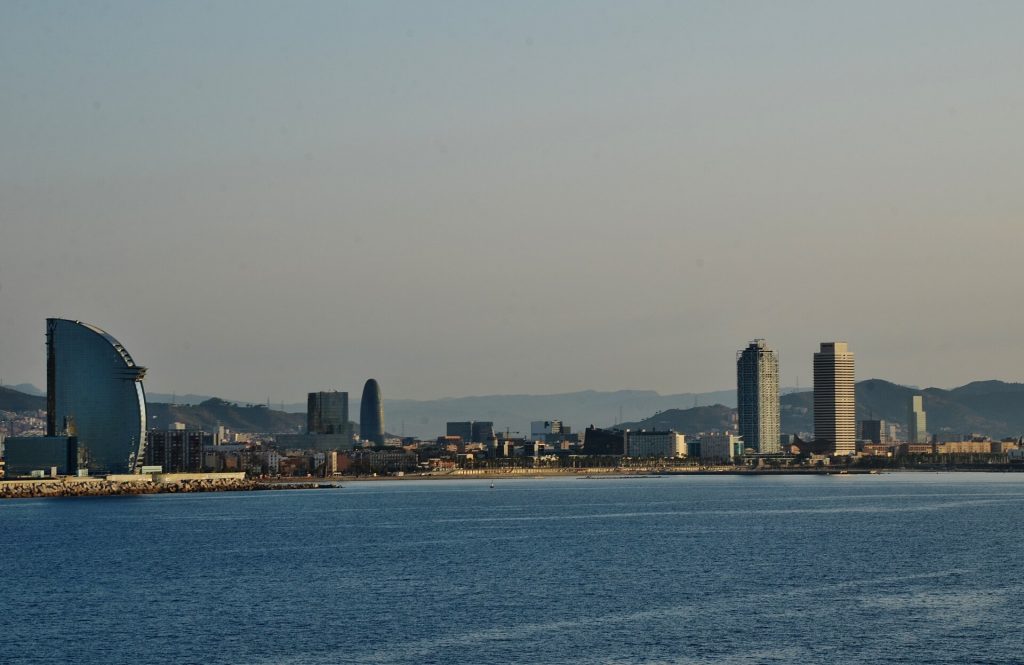
Barceloneta is the former fishermen’s quarter, a tight grid of narrow streets right on the beach. It is the place for seafood lunches, sunset walks along the promenade and easy beach days. In summer it is lively and busy, and apartments can be small, but nothing beats stepping out of your door and onto the sand.
Poblenou
Poblenou is a former industrial district that has become a creative hub of converted warehouses, design studios and cafes. Its Rambla del Poblenou is a relaxed, local alternative to the famous Las Ramblas, and its beaches tend to be calmer than those closer to the center. It is a great base for longer stays, remote workers and anyone who prefers a slower pace.
Gothic Quarter
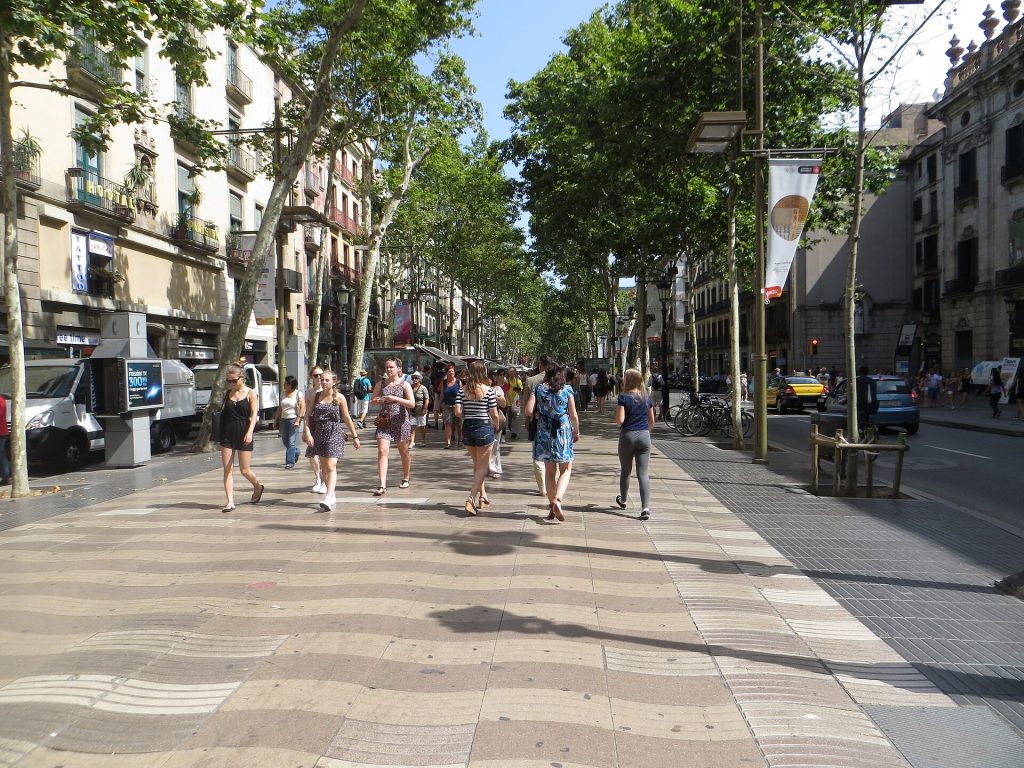
The Barri Gòtic is the historic heart of Barcelona, with Roman remains, the Cathedral, hidden squares and winding alleys. Staying here puts you within walking distance of almost everything. The trade-off is crowds, noise late at night and a higher concentration of tourist-focused businesses. Ask about soundproofing and street noise before you book.
Book a licensed tourist apartment
Barcelona has some of the strictest short-term rental regulations in Europe, as the city works to balance tourism with housing for residents. Tourist apartments must be licensed, and licensed homes carry a registration number, commonly beginning with HUT (from the Catalan Habitatge d’Ús Turístic), that should be clearly displayed in the listing. The city has also announced plans to significantly reduce tourist apartment licenses over the coming years, so the rules are likely to keep changing.
- Look for the license number on the listing. If you cannot see it, ask the host before you book.
- Check that the number appears in the official Catalan tourism register.
- Be cautious of very cheap listings with no license number, or hosts who ask you to pay outside the platform.
- Confirm the license will still be valid for your travel dates, especially if you are booking far ahead.
Booking an unlicensed apartment risks last-minute cancellation and problems on arrival. Our trust and safety page explains how we help protect bookings, and our guide on how to avoid vacation rental scams covers more red flags to watch for.
The tourist tax
Visitors staying in tourist accommodation in Barcelona pay a tourist tax, charged per person, per night, for a limited number of nights. It combines a regional Catalan tax and an additional city surcharge, and rates have risen in recent years. The tax is usually collected by your host, either at check-in or included in the booking total. Ask your host how it will be charged and check the current rate when you book, so there are no surprises.
Staying safe: pickpocket awareness
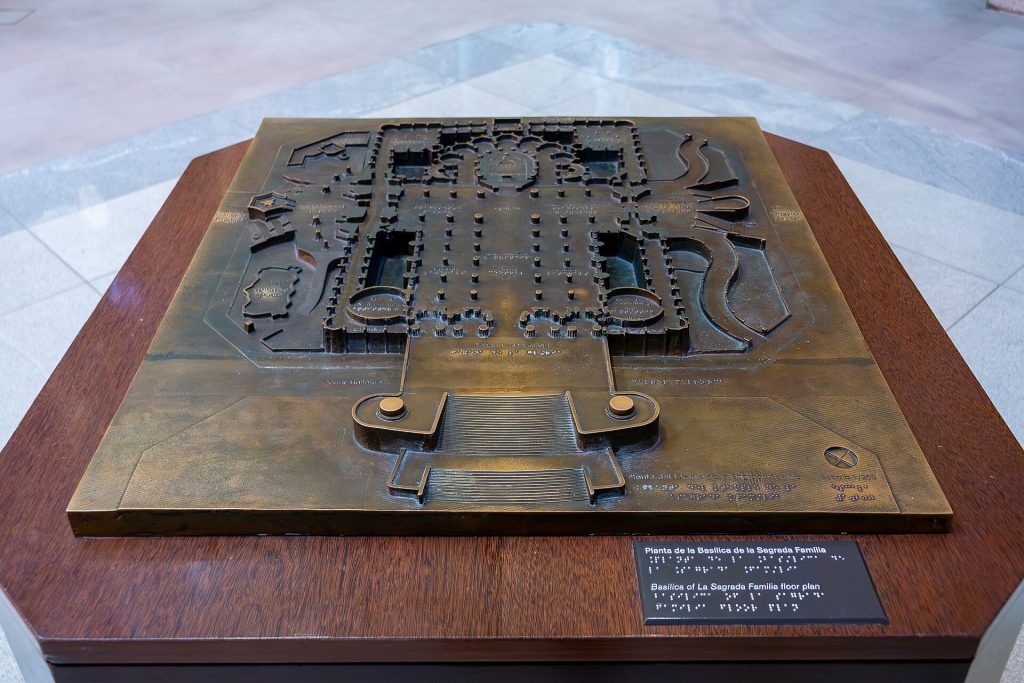
Barcelona is generally a safe city, but it is well known for pickpocketing. Thieves are skilled and target distracted visitors in crowded places.
Be wary of common distraction techniques, such as someone asking for directions with a map spread over your bag, offering to clean something off your clothes, or creating a commotion nearby. Carry only what you need for the day and leave passports and spare cards in the apartment, ideally in a safe if one is provided.
A 4-day Barcelona itinerary
Day 1: The old town
Start in the Gothic Quarter with the Cathedral and Plaça Sant Jaume, then wander the lanes to Plaça Reial. Cross into El Born for the Picasso Museum and Santa Maria del Mar. In the afternoon, stroll through Parc de la Ciutadella. In the evening, enjoy tapas in El Born and a late walk through the lantern-lit streets.
Day 2: Gaudí and Eixample
Begin early at Sagrada Família with a pre-booked timed ticket. The interior, with its forest-like columns and stained glass, is best in morning or late-afternoon light. Walk or take the metro to Passeig de Gràcia to see Casa Batlló and Casa Milà, choosing one to visit inside. Spend the afternoon exploring Eixample’s shops and cafes, and have dinner nearby.
Day 3: Park Güell and Gràcia
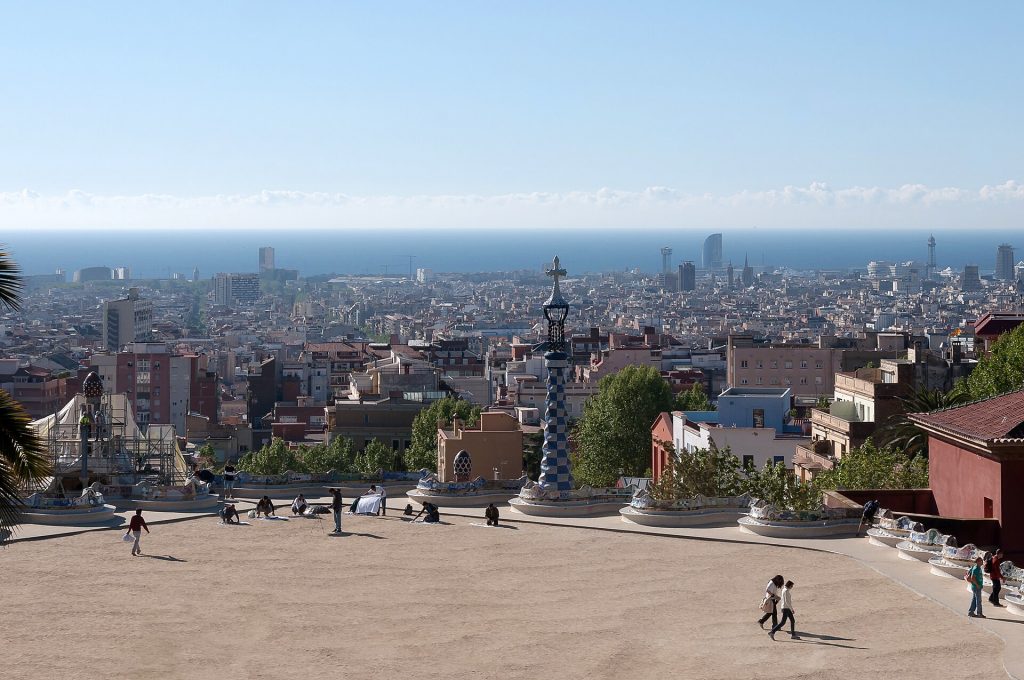
Head to Park Güell in the morning with a timed ticket for the monumental zone, then walk downhill into Gràcia for lunch on a plaza. Spend the afternoon browsing its independent shops. For sunset, climb to the Bunkers del Carmel, an old anti-aircraft site with sweeping views over the whole city to the sea.
Day 4: Montjuïc and the sea
Take the funicular or cable car up Montjuïc for its gardens, castle and museums, including the Fundació Joan Miró and the National Art Museum of Catalonia. In the afternoon, make your way down to Barceloneta for a seafood lunch and some time on the beach, or head to the quieter beaches of Poblenou. Finish with a sunset walk along the waterfront.
Getting around
Barcelona’s metro, buses and trams are clean and efficient, and multi-journey travel cards such as the T-casual offer better value than single tickets. The city center is very walkable, and there is a good network of bike lanes. You will not need a car in the city itself, and parking is difficult and expensive. The airport is connected to the center by train, metro and an express bus.
When to go
- Spring (April to June): Warm, sunny and lively, with long evenings. One of the best times to visit.
- Summer (July and August): Hot, humid and very busy. Great for beach time, but crowds and prices peak. Many locals take holidays in August.
- Autumn (September to October): The sea is still warm and the crowds thin. The city’s biggest festival, La Mercè, takes place in late September.
- Winter (November to March): Mild and quieter, with lower prices and shorter queues at major sights.
Living like a local
The joy of an apartment stay is the everyday detail: buying fruit and cheese at a neighborhood market such as Mercat de Santa Caterina or Mercat de la Llibertat, cooking with local olive oil and tomatoes, and joining the evening stroll as the city comes alive after dark. Learn a few words of Catalan, such as bon dia (good morning) and gràcies (thank you), keep noise down in residential buildings, and respect the neighbors who make the city what it is. If you are also planning time in other European cities, our Paris apartment stay guide follows the same local-first approach.
Plan your next city stay
Explore the destinations where Bed N Beds hosts welcome guests and find a home that lets you live like a local, wherever you travel next.
Frequently Asked Questions
What is the best neighborhood to stay in Barcelona for a first visit?
Eixample is a strong all-round choice for a first visit thanks to its central location, wide streets, Modernista architecture and excellent transport links. Gràcia suits travelers who want a village atmosphere, while El Born is ideal if you want to be close to the old town without being in its busiest lanes.
How do I know if a Barcelona tourist apartment is licensed?
Licensed tourist apartments in Barcelona have a registration number, often starting with HUT, which should be displayed in the listing. Ask the host for it if you cannot see it, and check that it appears in the official Catalan tourism register. Rules are tightening, so confirm the status before you book.
Do I have to pay a tourist tax in Barcelona?
Yes. Visitors staying in tourist accommodation in Barcelona pay a tourist tax charged per person per night, made up of a regional tax and a city surcharge. It is usually collected by the host or at check-in, and rates have changed in recent years, so check the current amount when you book.
Is Barcelona safe for tourists?
Barcelona is generally safe, but pickpocketing is common in crowded tourist areas, on the metro and at the beach. Keep valuables in a zipped bag worn in front of you, never leave your phone on a cafe table, and keep an eye on your belongings at all times.
Do I need to book Sagrada Família and Park Güell tickets in advance?
Yes, it is strongly recommended. Both use timed-entry tickets and popular slots sell out, especially in spring, summer and on weekends. Buy directly from the official websites to avoid inflated resale prices.
When is the best time to visit Barcelona?
Late spring, from May to June, and early autumn, from September to October, offer warm weather, long days and fewer crowds than midsummer. July and August are hot and very busy, while winter is mild and quieter, with lower prices.