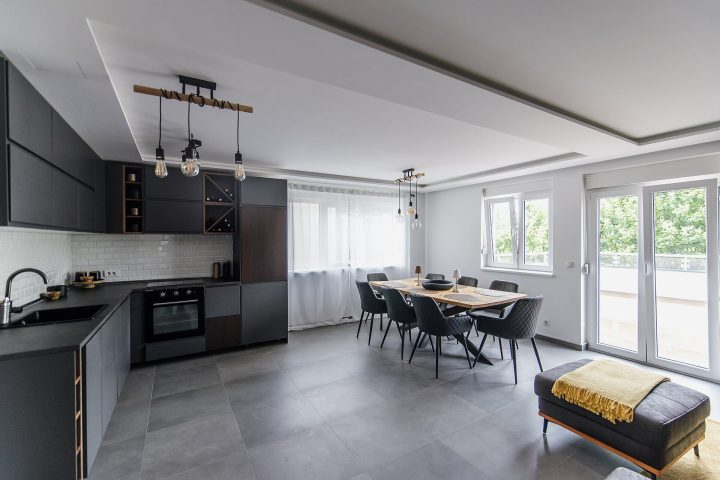
Travel is one of life’s great joys, and it also leaves a footprint. The good news is that being a more sustainable traveler does not mean giving up comfort or adventure. Many of the most effective changes are simple habits that also save money and help you connect more deeply with the places you visit. Staying in a home rather than a hotel gives you more control over how you use energy, water and food. This guide shares practical ideas for guests, plus a section for hosts who want to make their homes greener.

Key takeaways
- Transport is usually the largest part of a trip’s footprint. Fewer, longer trips and lower-carbon options make the biggest difference.
- Use air conditioning and heating wisely: moderate settings, closed windows and turning it off when you go out.
- Cook with local, seasonal ingredients and spend your money at independent local businesses.
- Follow the local recycling rules and avoid single-use plastics where you can.
- Hosts can make a real difference with efficient appliances, clear guidance and refillable supplies.
Start with how you get there
For most trips, getting to the destination accounts for a large share of the total environmental impact, especially when flying. You do not need to stop flying to make a difference, but a few choices help:
- Travel less often, stay longer. One two-week trip generally has a smaller footprint than several weekend getaways by plane. Longer stays also let you experience a place more fully.
- Choose rail or bus for shorter distances. In many regions, trains are a comfortable, scenic alternative to short flights, and they take you from city center to city center.
- Fly direct where possible. Takeoffs and landings use a lot of fuel, so non-stop flights are generally more efficient than connections.
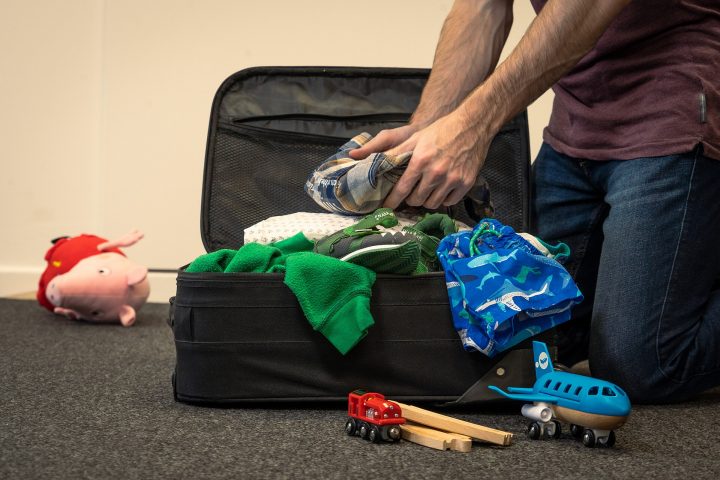
- Pack light. Lighter luggage means less fuel used, and it makes using public transport at your destination much easier.
Energy: air conditioning, heating and lighting
When you are on vacation and not paying the utility bill directly, it is easy to leave the air conditioning running all day. In hot destinations like Dubai, Los Angeles or southern Europe in summer, cooling is often the biggest energy use in a home. A few mindful habits keep you comfortable without the waste:
- Choose a moderate temperature. Setting the thermostat a few degrees warmer in summer, or cooler in winter, saves a surprising amount of energy while still feeling comfortable.
- Close windows and doors while the air conditioning or heating is on.
- Use blinds and curtains. Keeping them closed during the hottest part of the day stops rooms from heating up.
- Switch off when you go out. Turn off the AC, lights and electronics when you leave for the day. Most systems cool a room again quickly when you return.
- Use fans first. Ceiling or standing fans use far less energy than air conditioning and are often enough in the evening.
- Unplug chargers and devices you are not using.
Water: small habits, real savings
Many popular destinations face water stress, especially during the busy summer season. Being careful with water is one of the most respectful things you can do as a guest:
- Take shorter showers and turn off the tap while brushing your teeth.
- Run the dishwasher and washing machine only when they are full.
- Reuse towels for several days, just as you would at home.
- Report leaks or dripping taps to your host promptly.
- Check whether tap water is safe to drink. Where it is, use a refillable bottle instead of buying bottled water.
Waste and recycling
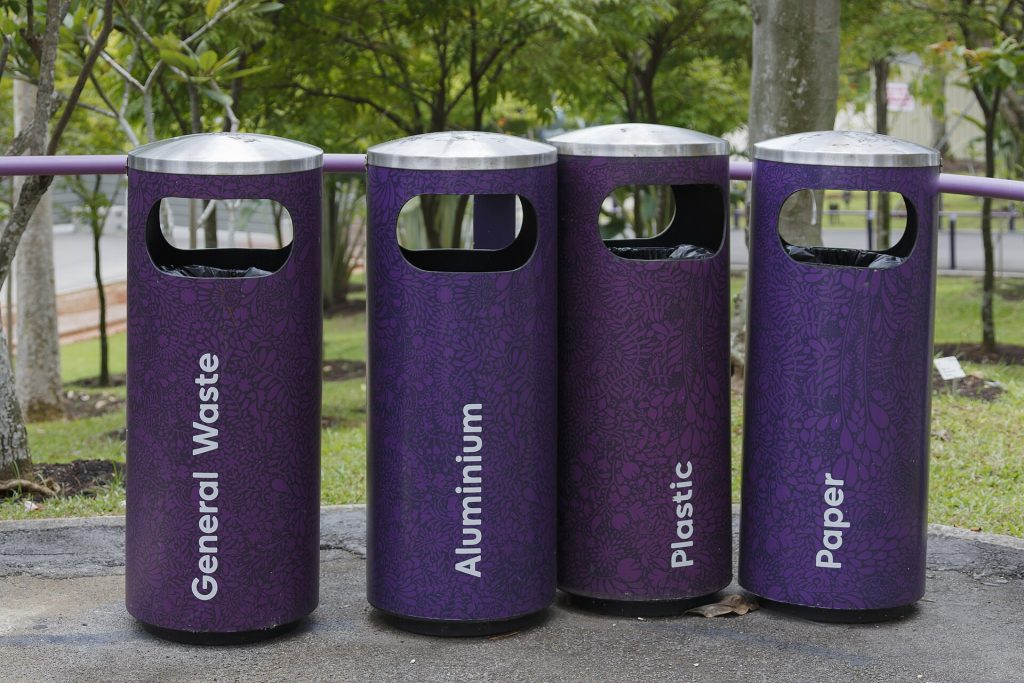
Every city handles waste differently, and recycling systems that work one way at home may work another way abroad. Look for instructions in the house manual or ask your host which bins to use. Rinse containers before you sort them, and check collection days if you are staying for more than a few nights.
Reduce what you create in the first place by packing a reusable shopping bag, a refillable water bottle, a travel coffee cup and a set of reusable cutlery for picnics and takeaway food. If you buy groceries, choose loose produce and avoid heavily packaged items. Before you check out, try to use up what you bought, or leave unopened, non-perishable items for the host if the house rules allow it.
Eat local and seasonal
One of the great advantages of staying in a home is the kitchen. Shopping at local markets for seasonal produce supports farmers and small vendors, reduces the distance your food travels, and is one of the most enjoyable ways to experience a new place. Ask your host for their favorite market, bakery or butcher. When you eat out, choose independent, locally owned restaurants that cook with regional ingredients. Cooking a few meals at home also cuts down on takeaway packaging and saves money for the experiences you care about most.

Getting around at your destination
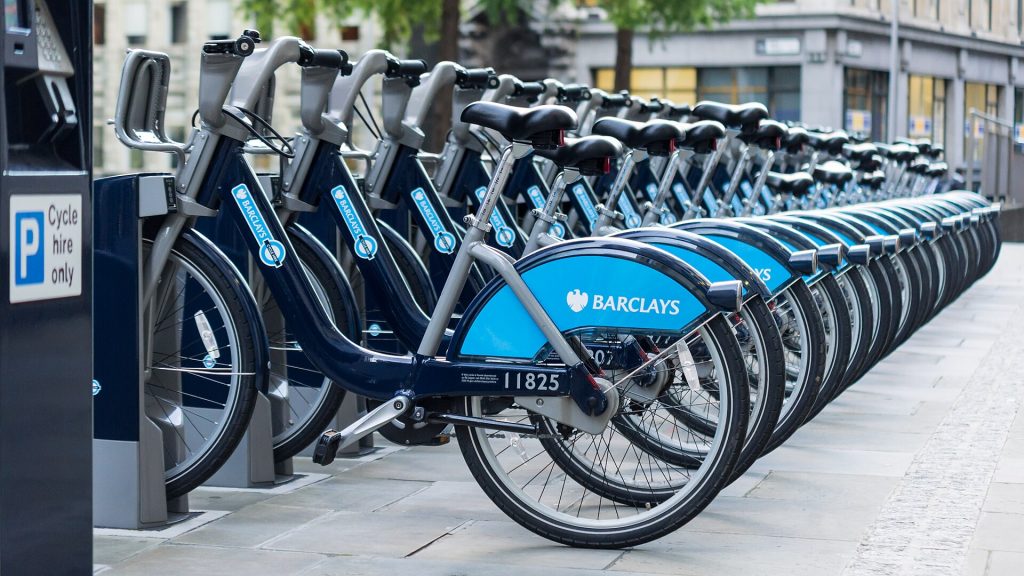
Once you arrive, the greenest ways to explore are often the most rewarding. Walking lets you discover side streets and small shops you would miss from a car. Public transport is usually efficient in major cities, and many have bike-share schemes and dedicated cycle lanes. If you need a car for day trips, consider renting an electric or hybrid vehicle where charging is practical, and combine errands to reduce driving. Choosing a home in a walkable neighborhood near transit makes all of this much easier from day one.
Support the local economy
Sustainable travel is not only about the environment. It is also about making sure your visit benefits the people who live in the place you are visiting:
- Buy from local artisans, independent shops and family-run businesses rather than international chains.
- Book tours with local guides who know and care about their community.
- Respect local customs, quiet hours and neighbors, especially in residential buildings.
- Visit lesser-known neighborhoods and attractions to spread the benefits of tourism beyond the busiest areas.
- Travel outside peak season when you can. It eases pressure on crowded destinations, and you will often enjoy lower prices and a more relaxed experience.
A careful word about carbon offsets
Carbon offsets are often presented as a quick fix for the emissions from a trip. They can play a role, but they are not a substitute for reducing emissions in the first place. The quality of offset projects varies widely. If you choose to offset, look for projects that are independently verified, transparent about how they calculate impact, and clear about what your money funds. Treat offsets as the last step, after you have reduced what you can, rather than the first.
For hosts: making your home greener
Hosts have a big opportunity to make sustainable choices easy for every guest who stays. Many improvements also lower running costs and appeal to travelers who care about the environment.
Energy and water
- Switch to LED bulbs throughout the home.
- Install a smart or programmable thermostat and set sensible default temperatures.
- Choose energy-efficient appliances when replacing old ones.
- Fit low-flow showerheads and aerators on taps, and fix leaks quickly.
- Provide good blinds or curtains to keep rooms cool in summer and warm in winter.
Supplies and waste
- Offer refillable dispensers for soap, shampoo and conditioner instead of single-use bottles.
- Provide clearly labeled recycling bins and simple instructions in the house manual.
- Stock a few reusable shopping bags, a water filter jug where useful, and basic pantry staples to reduce guest waste.
- Choose durable, quality linens and environmentally friendly cleaning products.
Guidance and communication
- Share local recommendations for markets, independent restaurants, walking routes and public transport.
- Explain how the AC and heating work, and gently suggest switching them off when guests go out.
- Encourage longer stays with weekly or monthly pricing, which reduces turnovers.
If you would rather hand over turnovers, Bed N Beds offers professional cleaning for hosts among its add-on services. If you are thinking about listing your home, visit our become a host page to learn how it works.
Progress, not perfection
No one travels with zero impact, and sustainable travel is not about guilt. It is about making thoughtful choices where you can: staying a little longer, walking a little more, shopping at the local market and treating each home as if it were your own. Small actions repeated by many travelers add up to something meaningful, and they usually make the trip better, too.
Plan a slower, more mindful trip
Find a home in a walkable neighborhood with a kitchen, room to settle in and a host who can point you to the best local markets.
Frequently Asked Questions
Is staying in a vacation rental more sustainable than a hotel?
It can be, depending on how you use it. A home with a kitchen lets you cook with local ingredients and reduce packaging, and longer stays mean fewer cleanings and laundry cycles. The biggest factors are still how you travel there and how mindfully you use energy and water during your stay.
What is the most effective thing I can do to travel more sustainably?
Transport usually has the biggest impact. Traveling less often but staying longer, choosing trains or buses where practical, flying direct rather than with connections, and walking or using public transport at your destination all make a meaningful difference.
Should I buy carbon offsets for my flight?
Offsets can play a role, but they work best as a supplement to reducing emissions, not a replacement. If you buy them, choose projects that are independently verified and transparent about how they measure impact.
How should I deal with recycling in a rental home?
Recycling rules vary from city to city. Check the house manual or ask your host which bins to use and what can be recycled, rinse containers before sorting, and ask about collection days if you are staying longer than a few nights.
What can hosts do to make their homes more eco-friendly?
Hosts can switch to LED lighting, install smart or programmable thermostats, provide clear recycling instructions, offer refillable toiletries instead of single-use bottles, choose efficient appliances and share local recommendations for transport, markets and independent businesses.