Dubai is a city of record-breaking towers, golden desert, warm sea and busy old souks, often all within a short drive of each other. For a first-time visitor, that variety is exciting but can also be overwhelming. Bed N Beds is headquartered in Dubai, so this guide comes from our local team: where to base yourself, when to come, how to get around, and the etiquette that helps you feel at ease from day one.
Key takeaways
- November to March is the most comfortable season for sightseeing and outdoor activities.
- Downtown suits sightseers, Dubai Marina and JBR suit beach lovers, and the Creek area suits culture and value seekers.
- The Metro plus a Nol card covers most of the city; taxis and ride-hailing apps fill the gaps.
- Dress modestly in public places, and check Ramadan dates before you book.
- Book popular experiences such as a desert safari or dhow cruise ahead, especially in winter.
Where to stay in Dubai: the best neighborhoods for a first visit
Dubai is spread out along the coast, so where you stay shapes your whole trip. Choose based on what you want to do most, and how much time you are willing to spend in transit.
Downtown Dubai
The classic first-timer base. You are steps from the Burj Khalifa, The Dubai Mall and the Dubai Fountain shows, with Metro access along Sheikh Zayed Road. Expect polished high-rises, plenty of restaurants and a lively evening atmosphere. It is not a beach area, but the beaches are a short taxi ride away.
Dubai Marina
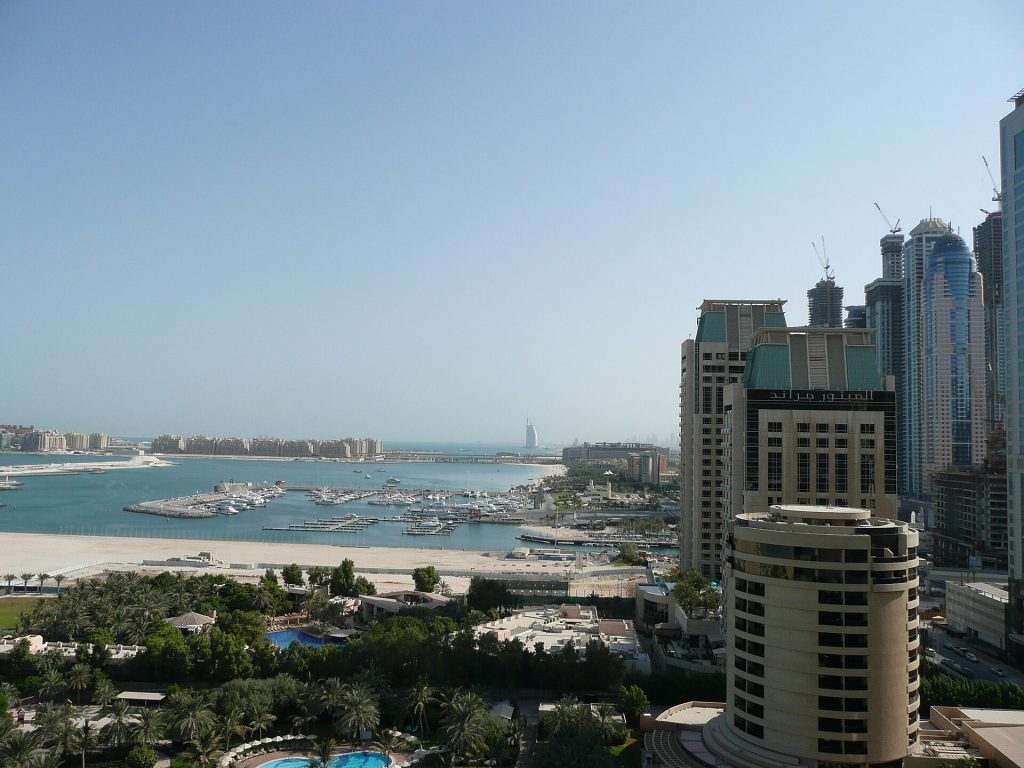
A forest of towers wrapped around a man-made marina, with a long waterfront promenade lined with cafés and restaurants. It is popular with younger travelers and groups, is well connected by Metro and the Dubai Tram, and puts you close to the beach.
JBR (Jumeirah Beach Residence)
Right next to the Marina, JBR is all about the beach. The Walk at JBR has outdoor dining and shops directly behind a wide public beach. It is a great pick for families and anyone who wants to step from their apartment onto the sand.
Palm Jumeirah
The famous palm-shaped island feels like a resort destination of its own, with beach clubs, waterfront dining and large hotels and apartments. It is ideal for a relaxed, pool-and-beach holiday. Getting to other parts of the city usually means a taxi, although the Palm Monorail connects the trunk of the island with the mainland.
Business Bay
Next door to Downtown, along the Dubai Water Canal. It often offers more space for the money than Downtown while keeping you close to the main sights. It suits business travelers and anyone who wants a central, practical base.
Deira, Al Fahidi and the Creek
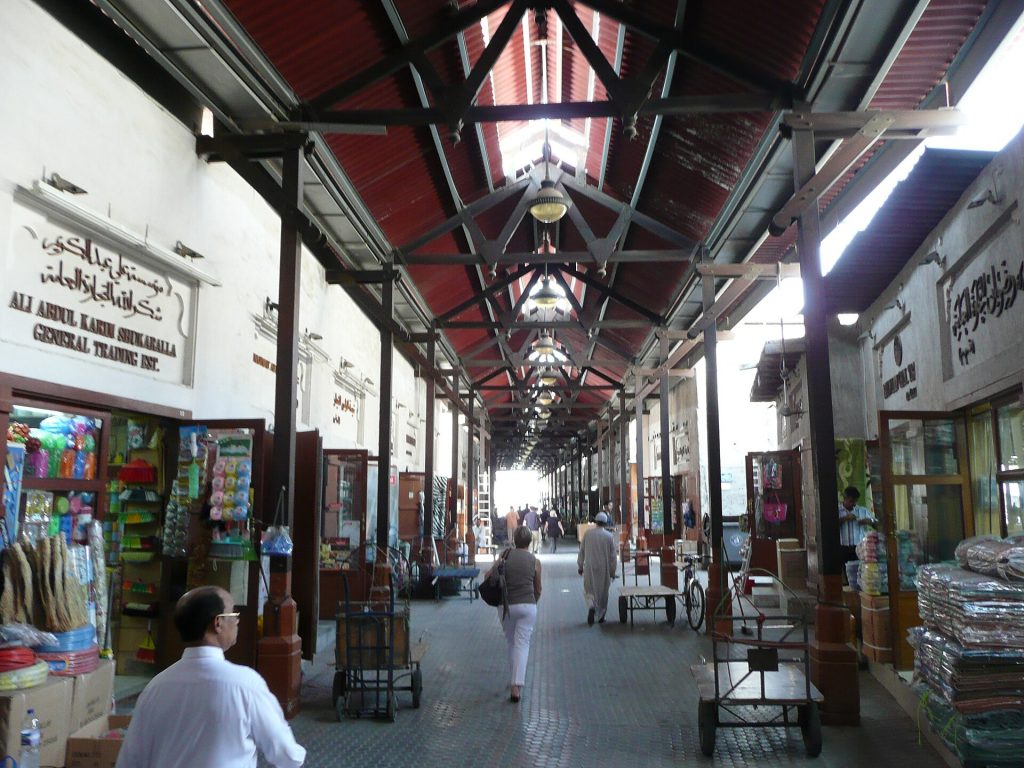
This is old Dubai, built around the Creek that made the city a trading hub. Here you will find the Gold and Spice Souks, the wind-tower houses of the Al Fahidi Historical Neighbourhood, and traditional abra boats crossing the water. Accommodation is often more affordable, the food scene is diverse and authentic, and Metro links are good.
| Area | Best for | Beach access | Metro / tram |
|---|---|---|---|
| Downtown | Sightseeing, first visits | Short taxi ride | Metro |
| Dubai Marina | Nightlife, groups, waterfront | Walkable | Metro and tram |
| JBR | Beach holidays, families | On the doorstep | Tram |
| Palm Jumeirah | Resort-style relaxing | Private and club beaches | Monorail |
| Business Bay | Central value, work trips | Short taxi ride | Metro |
| Deira / Al Fahidi | Culture, souks, budget | Taxi needed | Metro |
When to visit Dubai: weather by season
Dubai has a hot desert climate with very little rain. The season you choose makes a big difference to how you spend your days.
- November to March (peak season): Warm, sunny days and mild evenings. This is the best time for desert trips, outdoor dining, beach days and walking around the souks. It is also the busiest and most expensive period, so book homes and experiences early.
- April and May: Temperatures climb steadily. Mornings and evenings are still pleasant, and prices often start to soften.
- June to September (summer): Very hot and often humid. Life moves indoors to malls, museums and air-conditioned attractions, with beach and pool time early and late in the day. Prices are usually at their lowest, which can make summer good value if you plan around the heat.
- October: The heat eases toward the end of the month, and the outdoor season begins to reopen.
Visiting in summer? Our vacation rental packing list includes a dedicated Dubai summer checklist.
Ramadan considerations
Ramadan follows the Islamic lunar calendar, so it moves earlier by around 11 days each year. Check the expected dates before you book. Visiting during Ramadan can be very special: evenings come alive with iftar meals and festive tents, and the city has a calm, reflective mood during the day. Visitors are asked to be respectful by not eating, drinking or smoking openly in public during fasting hours, dressing more conservatively and keeping music and noise down. Many restaurants continue to serve non-fasting guests during the day, and some opening hours change. The Eid celebrations at the end of the month are a joyful, busy time.
Getting around Dubai
The Dubai Metro
The driverless Metro is clean, air-conditioned and easy to use. The Red Line runs from the airport area through Deira and along Sheikh Zayed Road past Downtown and Business Bay toward Dubai Marina. The Green Line serves the older districts around the Creek. Trains have a Gold Class carriage and a section reserved for women and children, so check the signs on the platform.
The Nol card
A Nol card is a rechargeable smart card used on the Metro, buses, the Dubai Tram and public water transport. Buy one at any Metro station ticket office or machine and top it up as you go. Remember to tap in and out. Eating and drinking are not allowed on public transport or in paid areas of stations, and fines apply.
Taxis and ride-hailing
Metered taxis are plentiful and reasonably priced, and ride-hailing apps are widely used. Taxis are the easiest way to reach Palm Jumeirah, beaches and restaurants away from the Metro.
Airport transfers
After a long flight, a pre-booked ride straight to your door removes the hassle of queues and luggage on public transport, especially with children or late-night arrivals. Bed N Beds offers an airport transfer you can add to your trip.

Etiquette and dress code
Dubai is welcoming and international, and a few simple habits go a long way.
- Dress modestly in public. In malls, souks and traditional areas, aim to cover shoulders and knees. Swimwear belongs at the beach or pool.
- Visiting a mosque. Wear long sleeves and long trousers or skirts; women should also cover their hair. Some mosques offer guided visits for non-Muslim visitors.
- Public behavior. Keep public displays of affection low-key. Avoid swearing or rude gestures, which are taken seriously.
- Alcohol. Alcohol is served in licensed venues such as many hotels, bars and restaurants. Drinking in public places and public intoxication are not permitted.
- Photography. Ask before photographing people, especially women and families, and avoid photographing government or security buildings.
- The weekend. The UAE weekend falls on Saturday and Sunday, with Friday prayers an important part of the week.
Local laws and customs can change, so check official guidance from your own government and UAE authorities before you travel.
Must-do experiences for first-time visitors
Burj Khalifa and the Dubai Fountain
Ride up to the observation decks of the world’s tallest building for views across the city, the desert and the Gulf. Sunset slots are popular and sell out, so book ahead. Afterward, stay for the Dubai Fountain show on the lake below, which runs regularly in the evenings.
A desert safari
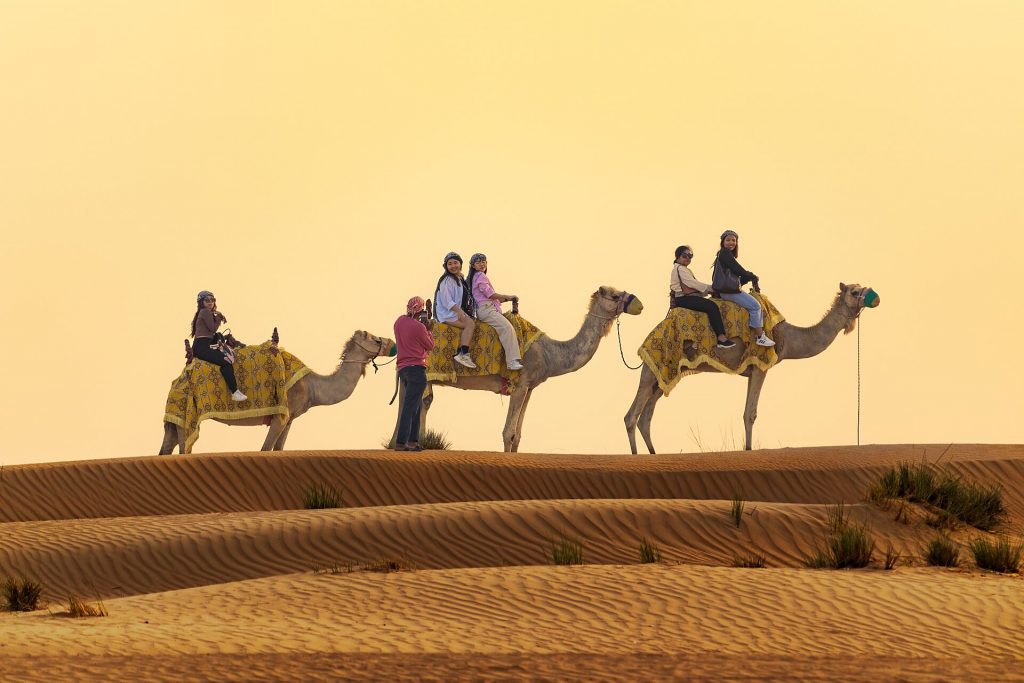
No first visit is complete without the desert. A typical evening safari combines dune driving, sunset photos over the sand, and a camp dinner with traditional entertainment. It is one of the most memorable things you can do in Dubai, and you can book a Dubai desert safari through Bed N Beds.
Dubai Creek: abra rides and a dhow cruise
Hop on a traditional wooden abra to cross the Creek for a small fare, just as residents have for generations. For a relaxed evening, a dinner cruise on a dhow, the traditional trading boat of the Gulf, shows you old Dubai lit up along the water. Our Dubai Creek dhow dinner cruise is an easy way to experience it.
The souks of old Dubai
Wander the Gold Souk and the Spice Souk in Deira, then cross to Bur Dubai and explore the lanes of Al Fahidi with its museums, art spaces and cafés. Haggling is normal in the souks; keep it friendly.
Beaches and waterfronts
Spend a morning at JBR beach or one of the public beaches along Jumeirah, then stroll the Marina promenade as the towers light up in the evening.
A simple first-visit plan
- Day 1: Arrive, settle in, evening at Downtown for the Fountain.
- Day 2: Burj Khalifa in the morning, mall and museums in the afternoon.
- Day 3: Old Dubai, souks and an abra ride, with a dhow dinner cruise in the evening.
- Day 4: Beach morning, desert safari in the afternoon and evening.
- Day 5: Marina, JBR or Palm Jumeirah, then a relaxed final dinner.
Planning your Dubai trip?
Our team is based in Dubai and happy to help you plan airport transfers, a desert safari or a dhow cruise. Get in touch and we will point you in the right direction.
Frequently Asked Questions
What is the best time of year to visit Dubai for the first time?
Most first-time visitors enjoy Dubai most between November and March, when days are warm and sunny and evenings are pleasant for walking, outdoor dining and desert trips. The summer months from June to September are very hot and humid, which suits travelers who plan to spend most of their time indoors, at the pool or at the beach early and late in the day.
Which area of Dubai is best for first-time visitors?
Downtown Dubai is the easiest choice for a first visit because it puts the Burj Khalifa, The Dubai Mall and the Dubai Fountain on your doorstep and has good Metro access. If you want a beach-focused trip, Dubai Marina or JBR are popular alternatives. Travelers interested in culture and value often enjoy staying near the Creek in Deira or Bur Dubai.
Is there a dress code in Dubai?
Dubai is cosmopolitan, but modest dress is expected in public places such as malls, souks, government buildings and traditional areas. A good rule is to cover shoulders and knees away from the beach or pool. Swimwear is fine at beaches, pools and beach clubs. When visiting a mosque, women should cover their hair and everyone should wear long sleeves and long trousers or skirts.
How do I get around Dubai without a car?
The Dubai Metro is clean, affordable and connects the airport with Deira, Bur Dubai, Downtown, Business Bay and Dubai Marina. Buy a rechargeable Nol card to use on the Metro, buses, the Dubai Tram and public water transport. Metered taxis and ride-hailing apps fill the gaps, and a pre-booked airport transfer is a convenient option on arrival.
Can tourists visit Dubai during Ramadan?
Yes. Ramadan can be a rewarding time to visit, with special evening atmospheres and iftar meals. Daytime life is quieter and visitors are asked to be respectful, for example by avoiding eating, drinking or smoking openly in public during fasting hours. Many restaurants still serve guests during the day, and evenings are lively.
Are holiday homes in Dubai regulated?
Yes. Holiday homes in Dubai are regulated by Dubai's Department of Economy and Tourism (DET). If you book a short-stay apartment or villa, it is sensible to check that the property is operating as a licensed holiday home. Rules can change, so confirm current requirements before you travel.